19 Aug 2026
Tracing Fixture Congestion Effects on European League Outcome Probabilities
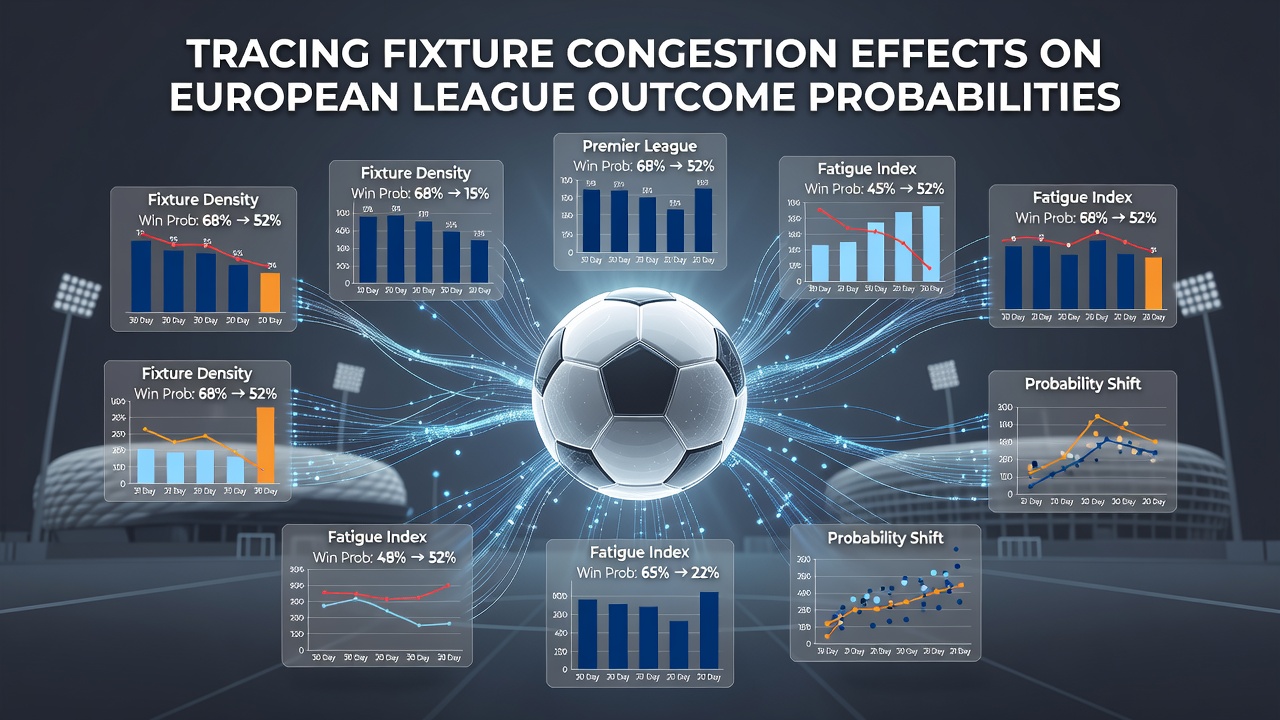
Fixture congestion in European leagues creates measurable shifts in outcome probabilities across domestic competitions and European club tournaments, and researchers have documented these patterns through extensive performance data analysis. Teams face compressed schedules when they participate in multiple competitions, which leads to increased player workload, higher injury rates, and altered tactical execution during matches.
Defining Fixture Congestion in European Contexts
European leagues operate under calendars that pack domestic fixtures alongside UEFA Champions League, Europa League, and Conference League commitments, and this overlap produces periods where clubs play two or three matches per week. Data from major leagues shows that such density peaks between September and December as well as during spring knockout stages, and analysts track these clusters by counting matches within seven or fourteen day windows. When teams exceed a threshold of roughly one match every four days, performance metrics begin to diverge from baseline expectations in statistically significant ways.
Performance Metrics and Probability Adjustments
Studies of match outcomes reveal that congested teams record fewer goals scored per game while conceding slightly more, and these trends translate into adjusted win probabilities. Home win rates for congested sides drop by several percentage points compared with well-rested opponents, whereas draw frequencies rise because both teams operate below optimal intensity. External factors such as travel distance and pitch recovery time compound these effects, and league tables reflect the cumulative impact through mid-season clusters.
Evidence from Major Leagues
Premier League tracking data combined with La Liga and Bundesliga records demonstrate consistent patterns, and researchers have isolated congestion as an independent variable by controlling for team quality and opponent strength. In one analysis covering five seasons, clubs that played three matches in eight days showed a 4 to 7 percent reduction in expected points per game, and similar findings emerged when Serie A schedules were examined. August 2026 will mark the start of another demanding cycle because the expanded Club World Cup and European qualifiers add early-season density, and observers note that pre-season preparation windows shrink accordingly.
What's interesting is how these probability shifts vary by position group, since midfielders and full backs accumulate the highest workloads and exhibit the largest drops in high-intensity running metrics. Defenders maintain cleaner sheets less frequently under congestion, while forwards convert fewer clear chances due to reduced reaction speed. Such granular data allows betting markets and performance analysts to refine outcome models beyond simple form indicators.
Case Examples Across Seasons
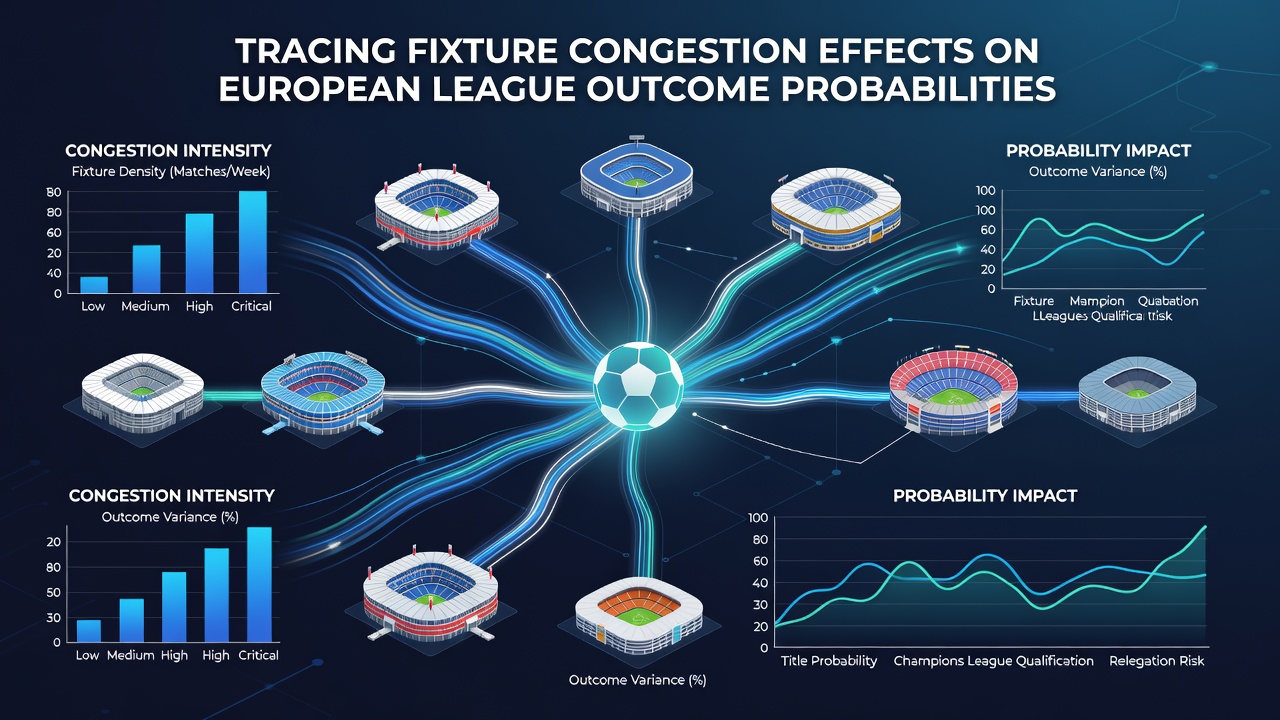
Take one mid-table side that reached the Europa League quarter-finals while maintaining a domestic title challenge, and the squad recorded a noticeable uptick in draws during the March to May period when matches arrived every three days. Another example involves a Champions League group stage participant that rotated heavily yet still suffered elevated soft-tissue injuries, and their away win probability fell below historical averages in the corresponding league fixtures. These instances illustrate how congestion does not eliminate quality differences but compresses the margin between expected and actual results.
Statistical Modeling Approaches
Advanced models incorporate recovery days, cumulative distance traveled, and squad depth as covariates when forecasting probabilities, and such frameworks improve accuracy during congested windows. Poisson distribution adjustments and machine learning regressions both capture the non-linear relationship between fixture load and goal expectancy, and league operators now publish workload reports that feed these calculations. European governing bodies have introduced minimum rest mandates in some competitions, yet domestic calendars remain the primary driver of density.
Turns out that smaller clubs with shallower squads experience more pronounced probability swings because they lack rotation options, whereas elite sides mitigate effects through squad investment. International breaks further complicate recovery timelines, and August 2026 will test these dynamics once again as nations prepare for qualifiers amid club commitments. Data indicates that probability models which ignore congestion underperform during these periods, and forecasters increasingly integrate real-time workload tracking from wearable technology.
Conclusion
Fixture congestion produces quantifiable alterations in European league outcome probabilities through fatigue, injury accumulation, and tactical adjustments, and ongoing data collection refines the precision of these estimates. As calendars evolve with additional tournaments, the patterns identified in recent seasons will continue to inform performance analysis and scheduling considerations across the continent.