21 Aug 2026
How Squad Rotation Choices Shift Outcome Distributions in Multi-Front European Campaigns
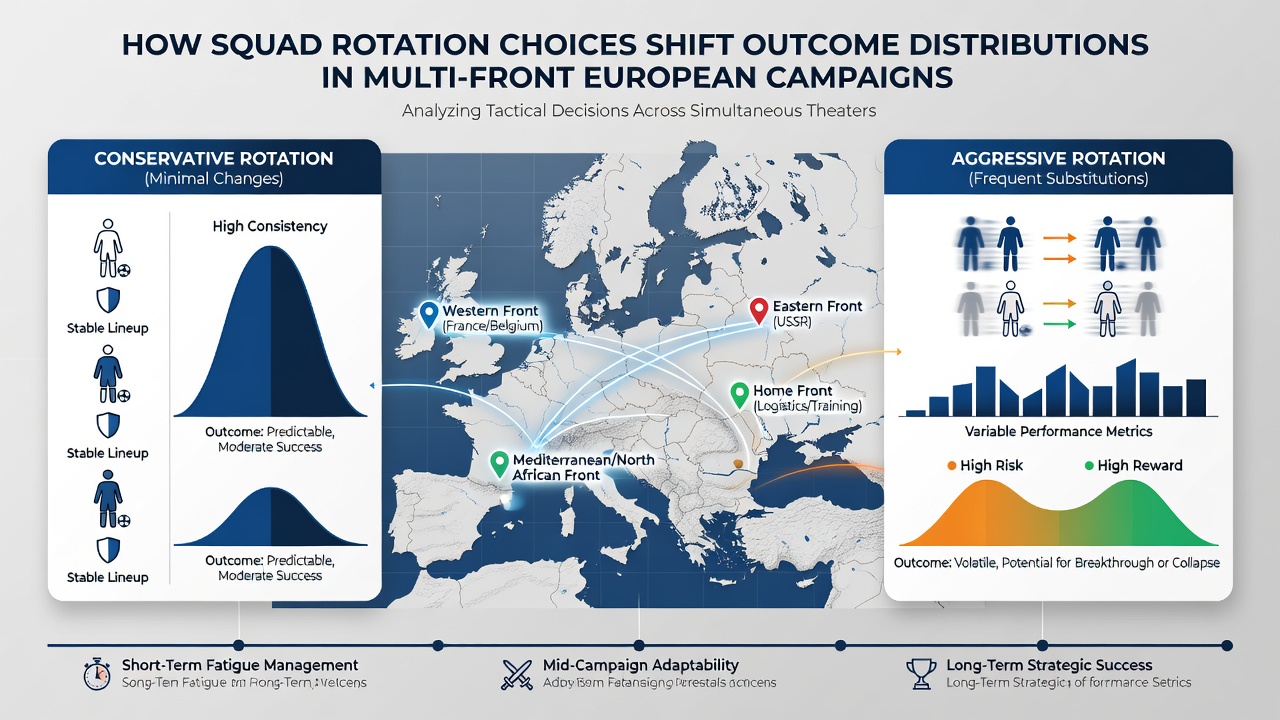
European clubs competing across domestic leagues, cup ties and continental tournaments face constant decisions about which players to field in each match, and these choices alter the statistical spread of possible results in measurable ways. Squad rotation involves selecting lineups that balance recovery, tactical fit and injury prevention, while data from tracking systems shows how such selections change win, draw and loss probabilities over a season. In August 2026, teams across the UEFA Champions League and Europa League will begin new campaigns with expanded squad rules, making these rotation effects even more relevant to outcome modelling.
Core Mechanisms Behind Rotation and Result Probabilities
Coaches adjust starting elevens based on fixture density, player workload metrics and opposition strength, which in turn modifies expected goal differentials and points accumulation patterns. Studies using event data indicate that resting key attackers or central defenders shifts the mean and variance of scoring distributions, often widening the range of plausible final scores. Researchers tracking Bundesliga and Serie A sides have documented how rotating midfielders after high-minute weeks correlates with tighter defensive structures but occasional drops in creative output, producing more variable results against mid-table opponents.
Statistical Evidence from Multi-Competition Seasons
Performance databases compiled over five recent campaigns reveal that teams rotating at least three players between domestic and European fixtures record altered outcome distributions compared with those maintaining near-identical lineups. The spread of points per game increases when rotation occurs before midweek continental matches, reflecting both higher draw rates and occasional high-scoring wins when fresher forwards enter. According to figures released by the European Club Association, workload management protocols adopted by top clubs have reduced injury-related absences by measurable percentages, indirectly narrowing loss tails in late-season distributions.
Impact on Probability Models and Forecasting Accuracy
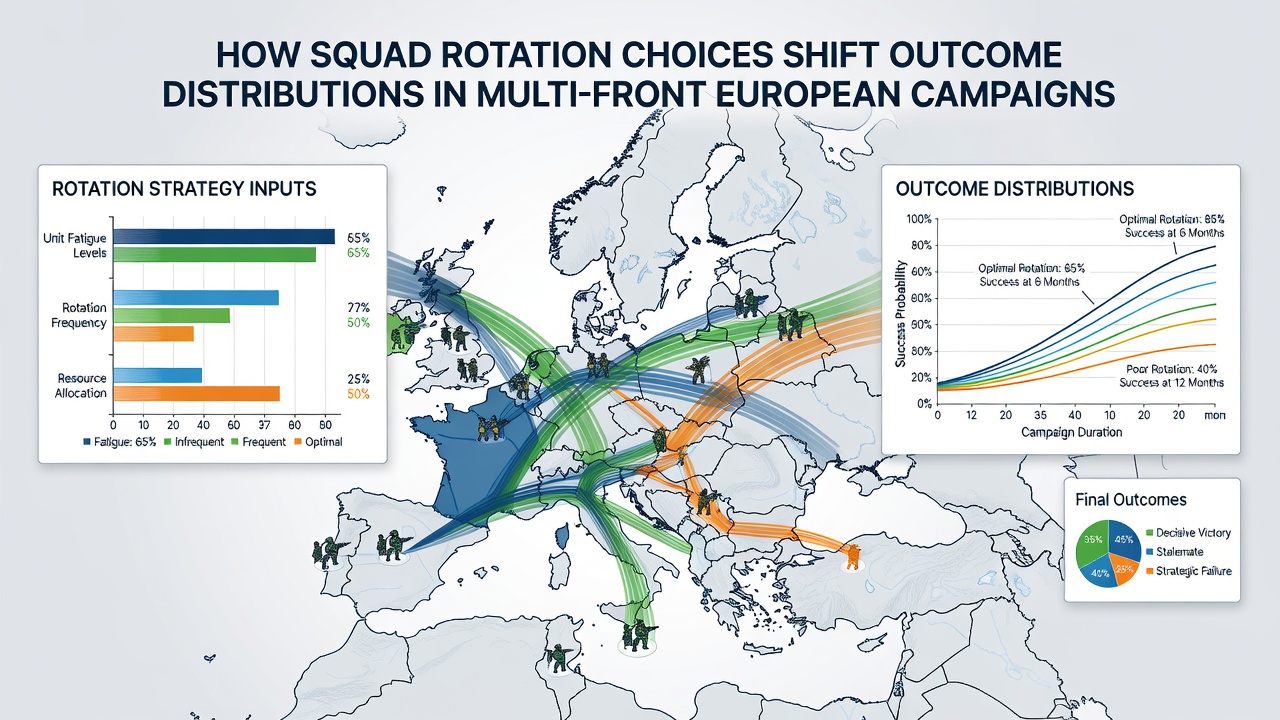
Advanced analytics platforms incorporate rotation variables into Poisson and negative binomial models that generate match outcome probabilities, and these adjustments improve calibration when squad news arrives close to kick-off. Observers note that failing to account for rotation patterns leads to overestimation of favourite win likelihoods in congested periods, while models updated with lineup data produce wider confidence intervals that better match observed results. A longitudinal analysis conducted by sports scientists at a Canadian university examined Premier League and Champions League overlaps, finding that strategic rotation before away European ties reduced the probability mass at extreme scorelines while elevating mid-range outcomes.
Regional Variations Across European Leagues
Patterns differ between leagues because fixture calendars and squad depth vary. La Liga sides often rotate more aggressively around Copa del Rey ties, producing distinct variance shifts in league results, whereas Eredivisie clubs with thinner squads show larger swings in expected points when key players are rested. Data aggregated by the German Football League highlights how Bundesliga teams with strong bench options maintain steadier outcome distributions despite rotation, because substitute quality limits downside risk. These differences matter for anyone modelling full-season trajectories across multiple fronts.
Planning Implications for August 2026 Campaigns
As clubs prepare for the 2026-27 season, pre-season testing and GPS data will inform initial rotation templates that aim to stabilise early outcome distributions. UEFA's updated squad registration rules effective from that window will allow five substitutions in certain competitions, giving coaches additional levers to manage fatigue and tweak probabilities mid-match. Teams that integrate rotation tracking into their forecasting pipelines gain clearer views of how early-season choices propagate through title races and qualification campaigns.
Conclusion
Squad rotation decisions in multi-front European campaigns produce observable shifts in the statistical distribution of match outcomes, as confirmed by workload studies, event data and league-wide performance records. Clubs that monitor these effects through integrated analytics can adjust selections to align with desired probability profiles across domestic and continental fixtures. The patterns established in prior seasons provide a factual baseline for understanding how rotation continues to shape results in the campaigns ahead.